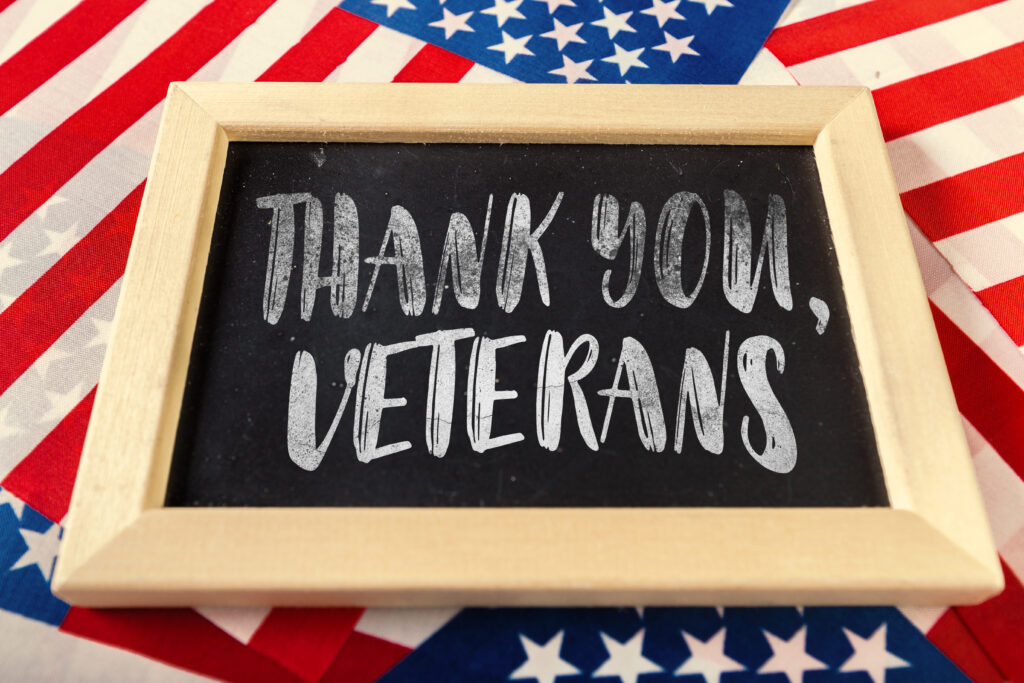
The Short Version
The best Veterans Day gift for a senior veteran isn’t a thing — it’s acknowledgment. The gifts that land are the ones that say we know what you did and we remember: a service cap they’ll wear everywhere, a shadow box for the medals in the drawer, their story recorded in their own voice. Specific ideas below, plus the free ones that matter most.
If there’s a veteran in your family over 75, there’s a decent chance their service lives in a shoebox. Medals in a drawer, a folded flag in a closet, photographs nobody’s labeled. My grandfather never talked about his service until the year someone finally asked him to — really asked, with a recorder running and no time limit — and then he talked for three hours. Veterans Day gifts work the same way. The good ones aren’t presents so much as invitations: to wear it, to display it, to tell it.
The Cap: The Gift That Gets Worn Every Day
Walk through any diner in America and you’ll see them — embroidered veteran caps (#ad) with a ship name, a division, a war. (The linked one is the Army version — search their branch and era for the right match.) There’s a reason this is the most-worn piece of clothing many senior veterans own: it does the announcing so they don’t have to, and it invites the “thank you for your service” and the conversations that come with it. Get the specific one — their branch, their era, their unit if you can find it. Specificity is the entire gift.
The Shadow Box: Getting the Medals Out of the Drawer
A military shadow box display case (#ad) turns that shoebox into a wall. Medals, patches, the folded flag, a photo from basic training — assembled, it becomes the thing every visitor asks about. Two tips from families who’ve done it: assemble it together, because the stories come out during the arranging, not after; and if any medals are missing or were never issued, the National Archives handles replacement medal requests free for veterans and next of kin — start that paperwork now and it becomes next year’s gift.
Their Story, In Their Voice
This is the one that matters most and costs the least. Sit down with your veteran, a phone or a simple voice recorder (#ad), and a short list of questions: Where were you stationed? Who do you still think about? What do you want the grandkids to know? The Library of Congress Veterans History Project accepts these recordings into the national collection — meaning your dad’s story gets archived alongside every other American who served. If he’d rather write than talk, a guided “I Want to Hear Your Story” journal (#ad) does the prompting one page at a time (Dad and Mom versions both exist).
Comfort Gifts With a Service Nod
- A branch-insignia fleece blanket — practical November warmth that also says Army or Navy across the recliner; official-branch versions are easy to find in every service.
- A large-print military history book covering their era — large print matters more than we admit, and their war written down seriously is its own form of respect. Pick one specific to their conflict and theater.
- A framed photo from their service years, restored and enlarged. Local print shops do restoration affordably, and a 1955 basic-training photo blown up to 8×10 lands harder than anything you can order new.
The Free Gifts That Outrank Everything Above
Take them to something. Most towns hold a Veterans Day ceremony, and many senior veterans have never been to one — nobody offered the ride. Offer the ride.
Have the grandkids call or write. A construction-paper thank-you card from a seven-year-old will stay on that refrigerator until it fades.
Look into an Honor Flight. Honor Flight Network flies veterans to Washington, D.C. to visit their memorials at no cost to the veteran. Priority goes to the oldest veterans and the terminally ill. If your parent served and has never seen their memorial, this is the application to fill out — and a caregiver or family member typically travels along as guardian.
Check their benefits while you’re at it. Veterans Day is a natural moment to make sure a senior veteran is actually enrolled in VA benefits — many aren’t, and Aid & Attendance can be worth over $2,000/month toward care costs for wartime veterans and surviving spouses. We’re working on a full guide to caregiver compensation and veterans’ programs; in the meantime, your county Veterans Service Officer will review eligibility free.
#ad — product links above are Amazon affiliate links. As an Amazon Associate, Care Pack Club earns from qualifying purchases.
FAQ
What is a good Veterans Day gift for an elderly veteran?
The gifts that consistently land are acknowledgment gifts: an embroidered cap for their branch and era, a shadow box for medals and the folded flag, a recorded oral history, or simply escorting them to a Veterans Day ceremony. Specific beats expensive every time.
How do I get replacement medals for my parent’s service?
The National Archives processes replacement medal requests free for veterans and next of kin using Standard Form 180. Processing takes months, so submit well ahead of the occasion you want them for.
What is Honor Flight and who qualifies?
Honor Flight Network flies veterans to Washington, D.C. to visit the memorials built in their honor, at no cost to the veteran. Senior veterans and those with terminal illness receive priority, and a family member or caregiver can usually accompany them as a guardian.
Whatever you choose, the underlying message is the same one my grandfather waited decades to hear someone say out loud: we know, and we’re proud of you. Say it with a cap, a shadow box, a recorder, or a ride to the ceremony — but say it while you can.