
Low vision aids
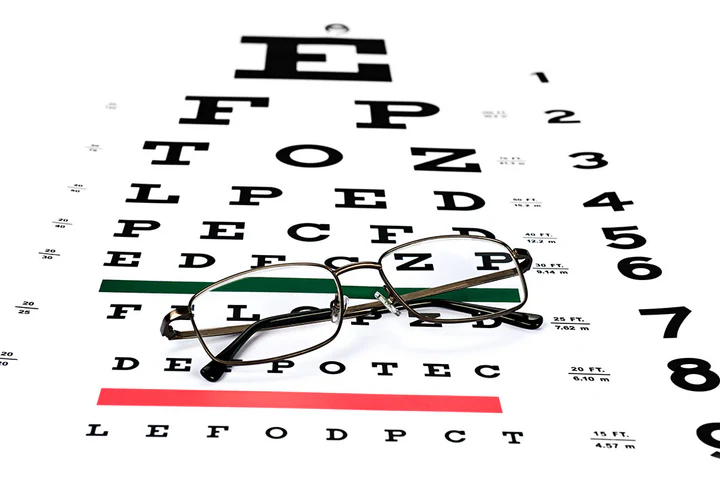
There are several low vision aids (#ad) available to assist individuals with visual impairments. Here are some common examples:
Magnifiers: Handheld magnifiers (#ad) or stand magnifiers with different magnification levels can help individuals with low vision read books, newspapers, labels, and other printed materials.
Closed-Circuit Television (CCTV): CCTV systems consist of a camera that magnifies and displays text or images onto a monitor or screen. These devices are particularly useful for reading books, documents, or even viewing photographs.
Electronic magnifiers: Electronic magnifiers (#ad), also known as digital or electronic video magnifiers, use a camera to magnify text or images and display them on a screen. They often have additional features like adjustable magnification levels, color contrast options, and image enhancement capabilities.
Talking devices: Talking devices use voice prompts or auditory feedback to provide information. This can include talking watches, clocks, calculators, thermometers, and other household appliances. These devices are designed to assist individuals with visual impairments in daily activities.
Large-print materials: Large-print books, magazines, and newspapers feature enlarged text and images, making them easier for individuals with low vision to read.
Braille devices: For individuals with severe vision loss or blindness, braille devices such as braille embossers or braille displays can be used to convert text into braille characters for reading and writing.
Audio books and podcasts: Audio books and podcasts provide an alternative way to access written content by listening instead of reading. They are available in various genres and can be enjoyed using smartphones, tablets, or dedicated audio book players.
Electronic devices with accessibility features: Many modern electronic devices like smartphones, tablets, and computers have built-in accessibility features. These include screen magnification, high contrast options, speech-to-text, voice assistants, and screen readers that can help individuals with low vision access and navigate digital content.
Tactile markers and labels: Tactile markers and labels can help individuals with low vision identify and organize items. This can involve using raised dots, tactile stickers, or braille labels on commonly used objects like medication bottles, clothing, or kitchen appliances.
Lighting modifications: Adjusting lighting conditions can make a significant difference for individuals with low vision. Using task-specific lighting, adjustable lamps, and avoiding glare can improve visibility and reduce eye strain.
It’s important to note that the specific aids needed will depend on the individual’s visual impairment and personal preferences. Consulting with an eye care professional or a low vision specialist can provide personalized recommendations and guidance on the most suitable low vision aids for a particular individual.
Free Delivery on Everything You Order
As a caregiver you're ordering constantly. Prime pays for itself fast — free delivery, same-day on many items, and Prime Video included.
Try Prime Free
Cory Clark
Cory Clark is the founder of Care Pack Club and a firsthand caregiver with experience supporting both aging grandparents and parents through the challenges of elder care. After spending years navigating assisted living transitions, cognitive decline, and the emotional weight that comes with caring for the people who once cared for you, Cory created this site to share what he learned. Every article reflects a real situation, a real question, or a real decision that families face. Care Pack Club exists because Cory couldn't always find the answers he needed, and decided to document them for the next family that goes looking.
Keep reading

Elderly Food Delivery: What Actually Helped When My Father-in-Law Stopped Eating
As an Amazon Associate, Care Pack Club earns from qualifying purchases. If you buy through our links, we may earn a small…
Cleaning Hearing Aids the Right Way: A Caregiver’s 5-Minute Routine
As an Amazon Associate, Care Pack Club earns from qualifying purchases. If you buy through our links, we may earn a small…