
Fall Prevention for Elderly Parents: A Caregiver’s Room-by-Room Guide

It is 3am and you hear a thud down the hall. Or maybe it is not 3am at all, and you just got the phone call that your dad slipped in the kitchen. Either way, your stomach drops. If you are reading this, you are probably already thinking hard about fall prevention for elderly parents, and you want something you can actually do this weekend.
The Short Version: Falls are the leading cause of injury for adults 65 and older, and about 1 in 4 older adults falls each year, according to the CDC. Most of the fixes are cheap and quick. Light up the paths, clear the floors, add grab bars and non-slip surfaces, check footwear and vision, ask the doctor to review medications, and keep your mom or dad moving. Start with the bathroom and the bedroom path at night.
Why Falls Are Such a Big Deal
The CDC says more than 14 million older adults report a fall every year. About 37% of those who fall report an injury that needs medical care or limits their activity for at least a day. That is a lot of families going through what you are afraid of.
Here is the part that helps. Falls are common, but they are also very preventable. Small changes add up.
Walk the House Like Your Mom Does
Before you buy anything, spend ten minutes walking through the house the way your loved one does. Go from the bed to the bathroom. Go from the couch to the kitchen. Notice where you have to step around something or reach for a wall.
Look for rugs that slide, cords across a path, stacks of mail on the stairs, and spots where the floor changes height. Write down what you find. You will not fix it all in one day, and that is okay.
Fix the Floors and Clear the Paths
Throw rugs are a classic trip hazard. Remove them, or use rug tape or a non-slip backing so the edges stay flat. Move cords along the wall. Keep the main paths wide enough for a walker if one is in the picture.
Pick up clutter in the places your parent walks most. A basket by the door for shoes and bags saves a lot of near misses.
Light Up the Night Path
Many falls happen when someone gets up in the dark. Plug-in motion sensor night lights between the bedroom and bathroom do the job without anyone needing to find a switch. Put a lamp within reach of the bed too, so your dad can turn it on before his feet hit the floor.
Check the stairs and hallways as well. Good light at the top and bottom of each stair matters more than most people think. Here is one I like: Energizer LED Motion Sensor Night Light (#ad): it turns on when someone walks by and off again on its own, so nobody has to remember anything.
Make the Bathroom Safer
The bathroom is the highest risk room in most homes. Wet tile and a tub edge are a rough combination. Add a non-slip mat inside the tub or shower, and a secure grab bar by the toilet and the shower. Please do not use a towel bar as a grab bar. It is not made to hold a person.
A shower chair and a handheld shower head can make bathing calmer and safer. If your mom is nervous about showers, that is a sign to try them. Having a seat takes a lot of fear out of the routine.
A good option for the tub is Gorilla Grip Slip Resistant Bath Mat (#ad). It grips the floor of the tub and has drainage holes so water does not pool.
Check Shoes and Slippers
Socks on a hardwood floor and loose slippers with no back are an easy way to fall. Look for shoes and slippers with a closed back, a thin non-slip sole, and a secure fit. Skip anything with a thick, soft sole that makes it harder to feel the floor.
This is a gentle conversation to have. You can frame it as a gift rather than a correction. A new pair of comfortable house shoes often goes over better than a lecture.
Ask the Doctor About Medications and Vision
This one is easy to skip, and it is important. Some medicines can cause dizziness, sleepiness, or a drop in blood pressure when standing up. The more medications on the list, the more worth checking. Ask your mom’s doctor or pharmacist to do a full review, and bring every bottle, including over-the-counter ones and supplements.
Vision and hearing matter too. An old glasses prescription can turn a normal step into a surprise. If your dad has not had an eye exam in a while, put it on the calendar. And please do not change or stop any medication on your own. Talk to the doctor first.
Keep Them Moving
It sounds backwards, but staying active lowers the chance of falling. Strength and balance work, like walking, tai chi, or simple chair exercises, helps legs stay steady. Ask the doctor or a physical therapist what is safe for your parent. Many local senior centers and community programs offer balance classes too.
If your mom is wobbly, a physical therapist can check whether a cane or walker would help and teach her how to use it right. A poorly fitted cane can cause problems instead of solving them.
Helpful Products for Fall Prevention
A few simple items that make a real difference around the house:
1. Medline Folding Shower Chair (#ad): a stable seat for showering with a back and non-slip feet. It takes the worry out of standing on a wet floor.
2. Moen Home Care Grab Bar 18 inch (#ad): a sturdy bar for beside the toilet or shower. Have it installed into studs or with proper anchors.
What To Do If a Fall Happens Anyway
Even with every fix in place, a fall can still happen. If your mom falls, stay calm and do not rush to pull her up. Check whether she is hurt, in pain, or confused. If she hit her head, cannot move a limb, or is in serious pain, call 911.
If she seems fine, help her up slowly, then tell her doctor about the fall anyway. A fall can be a clue that something else is going on, and the doctor may want to look into it. Many families also look at a medical alert button or wearable so help is one press away.
Frequently Asked Questions
How can I prevent my elderly parent from falling at home? Start with lighting, clear floors, a safer bathroom, good shoes, and a medication review with the doctor. Keeping them active helps too.
What is the most common cause of falls in the elderly? Hazards in the home like loose rugs and poor lighting, plus things like weak legs, balance problems, vision changes, and medication side effects. The doctor can help sort out which apply to your parent.
What room in the house is most dangerous for falls? The bathroom is a big one because of wet, slick surfaces. Stairs and the path to the bathroom at night are close behind.
Should my parent use a cane or a walker? That is a question for the doctor or a physical therapist. They can check what fits and teach the right way to use it.
One Small Step You Can Take Today
You do not have to fix the whole house this week. Pick one thing. Plug in a night light, pull up one slippery rug, or put the eye exam on the calendar. Then pick the next one tomorrow. You are doing a good job, and your parent is lucky to have someone paying this much attention.
Make the Kitchen Safe Again
Every appliance a caregiver trusts — microwaves, kettles, toasters, grills, and the honest stove conversation.
See the Safe Kitchen Guide
Cory Clark
Cory Clark is the founder of Care Pack Club and a firsthand caregiver with experience supporting both aging grandparents and parents through the challenges of elder care. After spending years navigating assisted living transitions, cognitive decline, and the emotional weight that comes with caring for the people who once cared for you, Cory created this site to share what he learned. Every article reflects a real situation, a real question, or a real decision that families face. Care Pack Club exists because Cory couldn't always find the answers he needed, and decided to document them for the next family that goes looking.
Keep reading

Elderly Food Delivery: What Actually Helped When My Father-in-Law Stopped Eating
As an Amazon Associate, Care Pack Club earns from qualifying purchases. If you buy through our links, we may earn a small…
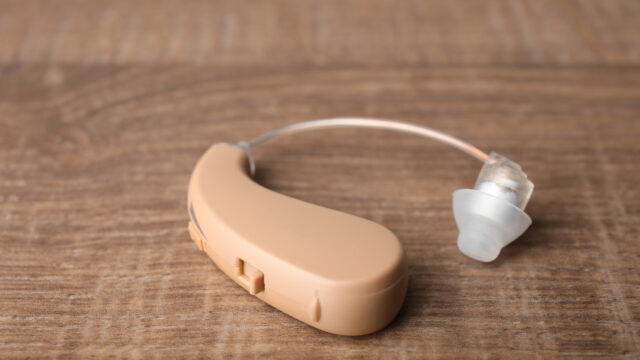
Cleaning Hearing Aids the Right Way: A Caregiver’s 5-Minute Routine
As an Amazon Associate, Care Pack Club earns from qualifying purchases. If you buy through our links, we may earn a small…