
Cleaning Hearing Aids the Right Way: A Caregiver’s 5-Minute Routine
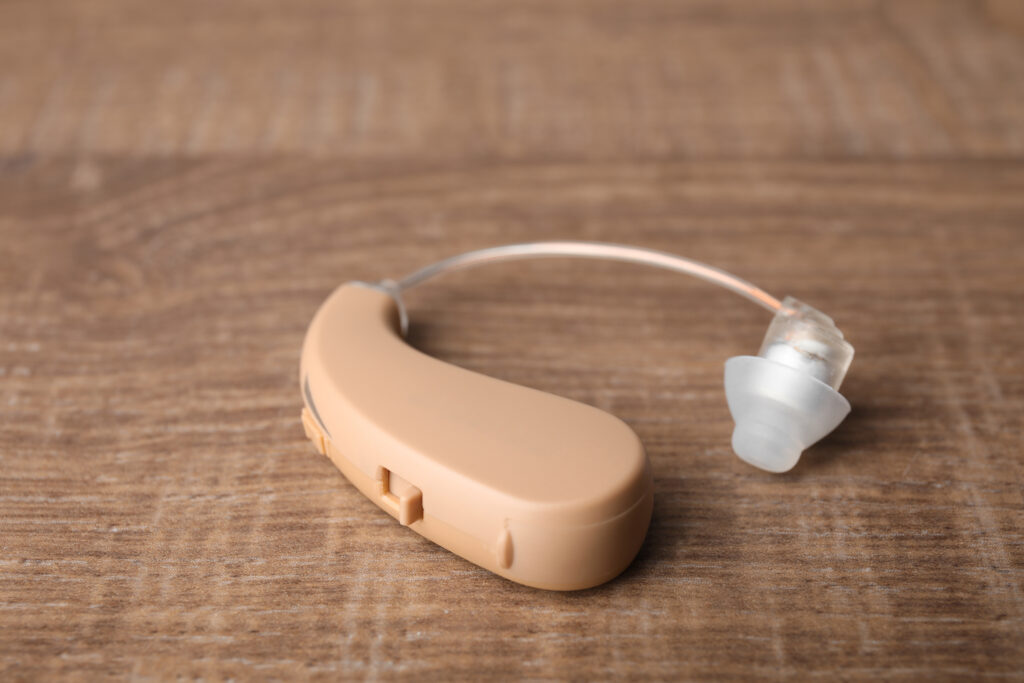
Your mom takes her hearing aids out at night, sets them on the nightstand, and puts them back in the next morning. That is the whole routine. No brush, no wipe down, nothing. Then one day she tells you they sound muffled, like she is hearing everyone through a pillow, and you are the one googling at 9pm trying to figure out if this is a “new hearing aid” problem or a “five minute fix” problem. Almost always, it is the second one. Cleaning hearing aids is one of those tasks that sounds technical until you actually do it, and then it turns out to be about as complicated as cleaning a pair of glasses.
Here is what actually works, what to leave alone, and how to build this into a routine that does not add one more thing to your plate.
The Short Version
Wipe hearing aids down every night with a dry, soft cloth and the little brush that came in the box. Check the wax guard and swap it every two to four weeks, sooner if sound gets muffled. Never use water, alcohol, or disinfecting wipes on them. Let them sit open in a dry, cool spot overnight, or better, in a dehumidifier box. If cleaning does not fix a muffled or dead-sounding hearing aid, that is your cue to call the audiologist instead of troubleshooting further at home.
Why Cleaning Hearing Aids Matters More Than You Would Think
Hearing loss is not a minor thing your parent is dealing with quietly in the background. About one in three adults between 65 and 74 has some degree of hearing loss, and that number climbs to nearly half of everyone over 75. A hearing aid that is not working right does not just mean missed words at dinner. It means your mom stops joining conversations, stops answering the phone, and starts nodding along instead of actually following what is being said. Most of the time, when a hearing aid suddenly sounds weak or muffled, it is not broken. It is dirty. Earwax, skin oil, and everyday debris build up fast in something that sits in or behind an ear all day, and that buildup is the single biggest reason hearing aids stop performing the way they should.
The upside is that this is one caregiving task you can actually get ahead of. A hearing aid replacement runs anywhere from a few hundred dollars for an over the counter pair to several thousand for a prescription set, so five minutes of cleaning a night is cheap insurance against paying for damage that a brush could have prevented.
Your Daily Routine for Cleaning Hearing Aids
You do not need a special skill set for this, just a few minutes and the right habit. Do this every night before the hearing aids go into their case:
1. Wipe the whole device down with a soft, dry cloth. A microfiber cloth works well and will not scratch the shell or the coating.
2. Use the small brush that came with the hearing aids (or a replacement one) to sweep debris out of the microphone ports and the receiver opening, the tiny holes where sound goes in and out.
3. Hold the hearing aid so those openings face down while you brush, so gravity pulls loosened wax and dust away instead of pushing it deeper inside.
4. Check the dome or earpiece and the wax guard for visible buildup.
5. Leave the battery door open (or take out a rechargeable device and set it in its charger) so any trapped moisture can air out overnight.
That is the whole routine. It takes less time than brushing your own teeth, and it is the single biggest thing that keeps a hearing aid sounding clear instead of muffled.
The Wax Guard Nobody Mentions Until It’s a Problem
If there is one part of this that catches families off guard, it is the wax guard, the tiny mesh filter that sits at the tip of the hearing aid and keeps earwax out of the speaker. It is small, it is easy to forget, and it is usually the actual reason a hearing aid suddenly sounds dead or muffled rather than the electronics failing.
Plan to replace the wax guard every two to four weeks, and swap it sooner the moment sound starts to sound flat or quiet. Most hearing aids come with a wax pick tool that has two ends: one end pulls the old guard straight out, and the other pushes a fresh one in until it clicks into place. It sounds fiddly the first time and becomes second nature by the third.
A tool like a Hearing Aid Cleaning Brush and Wax Pick Multi Tool Kit (#ad) keeps everything you need for this in one place instead of hunting for a stray brush in a drawer, and having a couple of spare Universal Hearing Aid Wax Guard Filters Replacement (#ad) on hand means you are never stuck waiting on an order when sound suddenly drops off on a Sunday.
What Never to Use on a Hearing Aid
This is the part worth saying plainly, because the instinct to “just wipe it down” with whatever is nearby is a real one. Do not use water, rubbing alcohol, disinfecting wipes, baby wipes, or any household cleaner on a hearing aid. Alcohol and most disinfectants break down the coatings and seals that keep moisture and wax out, and water can get into the microphone and speaker openings and short the electronics out entirely. If you want something more than a dry cloth, use wipes made specifically for hearing aids, nothing multipurpose.
Skip cotton swabs, too. They tend to push wax and debris deeper into the openings instead of pulling it out, which is the opposite of what you are going for.
Cleaning Looks Different Depending on the Style
Not every hearing aid is built the same way, so the cleaning routine shifts slightly depending on what your loved one wears.
Behind the ear (BTE) and receiver in canal (RIC) styles have a dome or earmold that sits in the ear canal and a wire or tube running up to the part behind the ear. Both the dome and the tubing collect wax, so both need regular brushing and the dome needs replacing periodically along with the wax guard.
In the ear (ITE) styles sit entirely in the ear, which means the whole shell is exposed to earwax and moisture. These need a daily wipe down and careful attention to the wax guard, since there is no tubing to catch debris before it reaches the speaker.
If you are not sure which style your loved one has, take a look next time the hearing aids come out, or ask the audiologist at the next visit. It only takes a second and it tells you exactly which parts to focus on.
Keeping Moisture From Ruining Everything Overnight
Moisture is the other big threat, and it is not just about getting caught in the rain. Normal humidity, sweat from a warm day, and even the temperature change when a hearing aid comes out of a warm ear into cooler air can leave condensation inside the device. Over time, that moisture corrodes the internal components, which is a slower and quieter way for a hearing aid to fail than obvious water damage.
The fix is simple. Leave the battery door open overnight so air can circulate, or invest in a drying box. A basic desiccant jar costs very little and needs the drying material replaced every few months, while an electronic dryer does the job in about half an hour using gentle warmth instead of moisture-absorbing beads. Either one beats leaving hearing aids sitting closed up in a case every night, especially somewhere humid.
When It’s Time to Call the Audiologist Instead of DIY
Here is the caregiver to caregiver version of a disclaimer, not a legal one. If you have cleaned the hearing aid, swapped the wax guard, and it still sounds muffled, cuts in and out, or will not turn on, stop troubleshooting and call the audiologist. That is not a sign you did something wrong. Hearing aids are small, expensive pieces of electronics, and a professional cleaning and checkup once or twice a year catches wear and tear that a nightly brush cannot reach. Most audiology offices will do a deep clean on the spot in a few minutes, often at no charge if your loved one already has a service plan through them.
Helpful Products for Cleaning Hearing Aids
A few inexpensive picks that make this routine easier to stick with.
1. Electric Hearing Aid Dryer Dehumidifier UV Sanitizer Box (#ad): a plug in drying box that clears out overnight moisture in about thirty minutes, worth it if your loved one lives somewhere humid or sweats through hearing aids during the day.
2. Alcohol Free Hearing Aid Cleaning Wipes (#ad): safe for the coating and seals, and handy for a quick wipe down when you are out of the house or traveling.
Frequently Asked Questions
How often should you clean hearing aids? Every night with a dry cloth and brush takes only a few minutes and prevents most of the buildup that causes muffled sound. Plan on replacing the wax guard every two to four weeks.
Can you clean hearing aids with alcohol wipes? No. Alcohol breaks down the protective coating and seals on hearing aids and can damage the microphone and speaker. Use wipes made specifically for hearing aids instead.
Why do my mom’s hearing aids sound muffled after cleaning? A muffled sound that does not improve after brushing and swapping the wax guard usually means wax has reached the speaker itself or there is a deeper issue. That is the point to call the audiologist rather than keep troubleshooting at home.
Do hearing aids need to be professionally cleaned? Yes, on top of daily home cleaning, a professional deep clean once or twice a year catches wear that a brush cannot reach and keeps small issues from turning into a repair or replacement.
One Habit, Five Minutes a Day
You do not need to overhaul how your family manages hearing aids this week. Pick one thing: put a soft cloth and the brush right next to the charging case so cleaning them becomes as automatic as taking them out, or order a pack of wax guards so you are never caught without one. Hearing aids are one of the few caregiving tools that reward a small, boring habit with a big result. Five minutes tonight is what keeps your mom in the conversation at dinner instead of nodding along and hoping she caught the important part.
Never Run Out of the Things That Matter
Wipes, supplements, paper towels, medications — Subscribe & Save delivers them on schedule at a discount. One less thing to remember.
Set Up Subscribe & Save
Cory Clark
Cory Clark is the founder of Care Pack Club and a firsthand caregiver with experience supporting both aging grandparents and parents through the challenges of elder care. After spending years navigating assisted living transitions, cognitive decline, and the emotional weight that comes with caring for the people who once cared for you, Cory created this site to share what he learned. Every article reflects a real situation, a real question, or a real decision that families face. Care Pack Club exists because Cory couldn't always find the answers he needed, and decided to document them for the next family that goes looking.
Keep reading

Fall Prevention for Elderly Parents: A Caregiver’s Room-by-Room Guide
As an Amazon Associate, Care Pack Club earns from qualifying purchases. If you buy through our links, we may earn a small…

Elderly Food Delivery: What Actually Helped When My Father-in-Law Stopped Eating
As an Amazon Associate, Care Pack Club earns from qualifying purchases. If you buy through our links, we may earn a small…