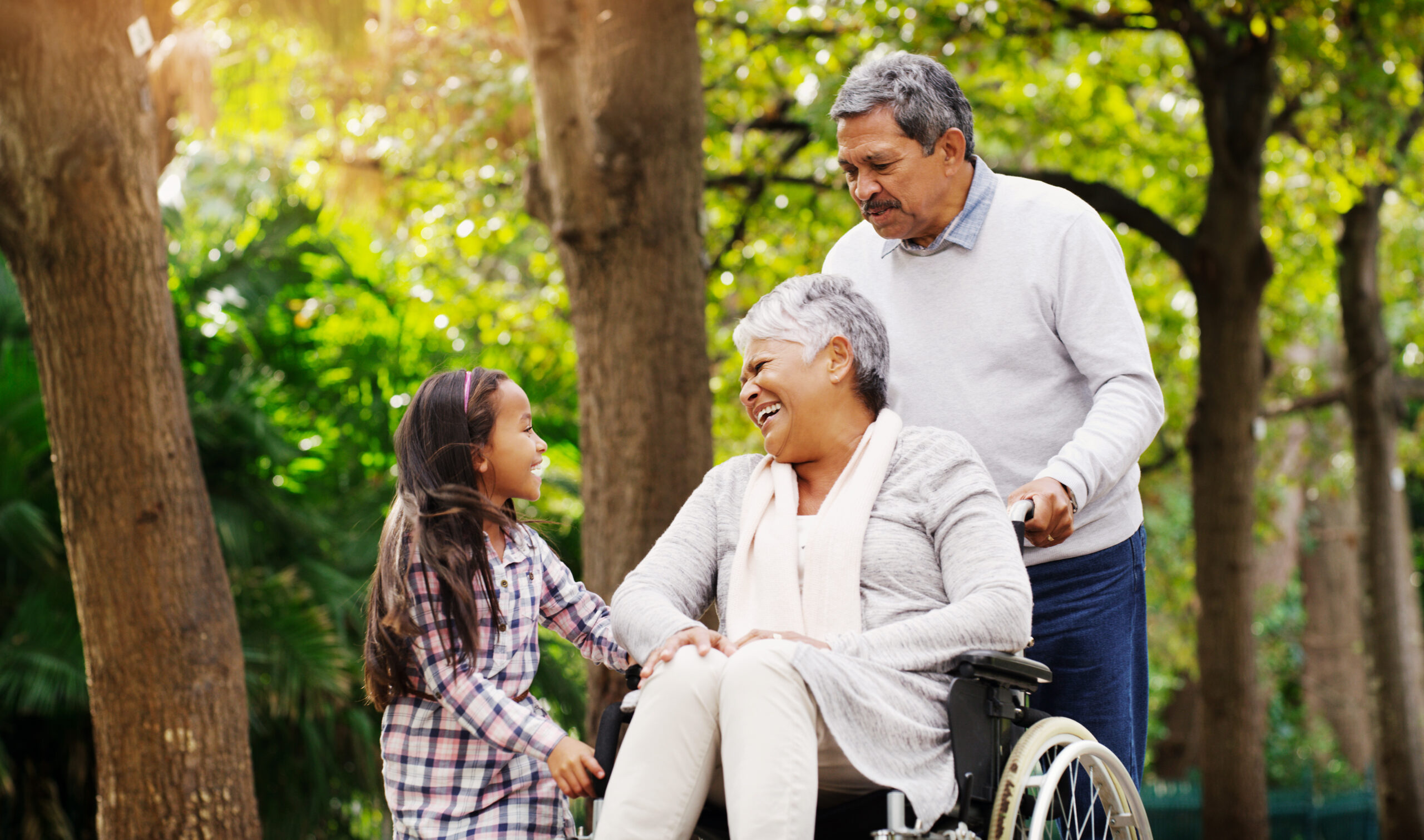
If you’re caring for an aging parent or loved one who lives at home, you may have noticed something that’s hard to put into words — a quiet sadness, a lack of energy, or a sense that the light in their eyes has dimmed. Loneliness among older adults aging in place is one of the most common and heartbreaking challenges families face. When someone is lonely aging at home, the effects go far beyond feeling blue — research shows it can be as harmful to health as smoking 15 cigarettes a day. The good news is that there are real, meaningful ways you can help. This guide is for every caregiver who has ever wondered, what more can I do?
Why Lonely Aging at Home Is So Common
Growing older at home can be isolating in ways that are hard to anticipate. Driving becomes more difficult or stops entirely. Friends and spouses pass away. Physical limitations make it harder to get out and socialize the way they once did. Adult children and grandchildren are busy with their own lives — and while phone calls and visits help, they often aren’t enough to fill the long, quiet hours of a day at home alone.
This kind of social isolation isn’t a personal failure. It’s a natural consequence of the changes that come with aging. Understanding that can help both you and your loved one approach the situation with more compassion — and less guilt on both sides.
The Health Risks of Senior Loneliness
Loneliness isn’t just an emotional experience — it has serious physical consequences. Seniors who feel persistently lonely are at higher risk for depression, cognitive decline, heart disease, and a weakened immune system. Studies have found that social isolation can accelerate memory loss and increase the risk of dementia. For someone already managing chronic health conditions, loneliness can make everything harder to cope with.
This means that addressing your loved one’s social needs isn’t a “nice to have” — it’s as important as managing their medications or ensuring they eat well. When you find ways to help someone who is lonely aging at home, you’re protecting their health in a very real and meaningful way.
Start with a Gentle Conversation
Before jumping into solutions, it helps to have an honest, loving conversation with your loved one about how they’re feeling. Many older adults are reluctant to admit they’re lonely — they don’t want to seem like a burden, or they feel embarrassed about something they see as a weakness. Approach the topic gently, with curiosity rather than concern. Ask open-ended questions: How are you spending your days? Do you feel like you’re connected to people you care about? Is there anything you miss doing?
Listen without rushing to fix. Sometimes just knowing someone truly sees and hears them is the first step toward feeling less alone.
Build a Consistent Routine of Contact
One of the most powerful antidotes to loneliness is predictability. When your loved one knows that Tuesday morning means a call from you, or that Sunday afternoon a grandchild will stop by, they have something to look forward to — and that anticipation alone can lift spirits significantly.
You don’t have to make every interaction long or elaborate. A short, regular phone call where you share something funny that happened in your day can mean the world. If distance makes in-person visits difficult, consider video calls that allow you to see each other’s faces. Schedule these connections on the calendar and treat them with the same commitment you’d give a work meeting.
Help Them Reconnect with Their Interests
Loneliness often deepens when someone loses connection not just with people, but with the things they used to love. Think about what brought your loved one joy before aging made it harder — painting, gardening, reading, playing music, baking, or following sports. Then think creatively about how to help them re-engage with those passions in ways that fit their current abilities.
A senior who once loved gardening might enjoy a small raised planter on the patio. A former bookworm who now struggles with small print might love large-print books or an audiobook subscription. Reconnecting with a cherished hobby is reconnecting with a sense of self — and that can be profoundly healing for someone who feels lonely aging at home.
Explore Senior Centers and Community Programs
Many communities have wonderful resources specifically designed to combat senior loneliness — and many families don’t know they exist. Local senior centers often offer daily programming, from exercise classes to art workshops to card games. Some areas have senior meal programs that serve double duty, providing both nutrition and regular social interaction.
Faith communities are another excellent resource. Even if your loved one isn’t particularly religious, many churches, synagogues, and mosques have active senior outreach programs and welcome participants from the broader community. The familiar rhythms of a community gathering can provide real comfort and connection.
If transportation is a barrier, look into senior transportation services in your area, or consider coordinating with other family members or neighbors to share driving duties. The effort is well worth it.
Consider a Companion or Caregiver
Professional caregivers and companion services do far more than assist with physical tasks. A skilled caregiver who visits regularly can become a trusted friend and conversational partner — someone your loved one genuinely looks forward to seeing. Many in-home care agencies offer companion-focused services specifically designed for seniors who are socially isolated.
Even a few hours a week of regular companionship can make a meaningful difference. And as an added benefit, having a caregiver in the home gives you peace of mind and a partner in monitoring your loved one’s wellbeing.
Use Technology as a Bridge
Today’s technology offers more ways than ever to stay connected — even for seniors who aren’t particularly tech-savvy. Tablets with simplified interfaces can make video calling as easy as pressing a button. Smart speakers can play favorite music, answer questions, or even read the news aloud, providing a sense of presence and stimulation throughout the day.
Some seniors find genuine joy in social platforms designed for older adults, or in online communities centered around their interests. Others love the simplicity of a photo-sharing app where family members regularly post pictures. Technology isn’t a replacement for human connection, but it can be a meaningful bridge that keeps someone who is lonely aging at home feeling closer to the people they love.
Don’t Overlook the Power of Pets
If your loved one is able to care for an animal — or receive the affection of one — a pet can be a wonderful companion. Studies consistently show that pet ownership reduces feelings of loneliness, lowers blood pressure, and improves overall mood in older adults. A calm dog or a gentle cat can provide the kind of unconditional, ever-present companionship that no human schedule can fully replicate.
If full-time pet ownership isn’t realistic, consider alternatives: volunteer programs that bring therapy animals for visits, or arrangements with a neighbor’s friendly pet. Even occasional animal interaction can brighten a lonely day.
Watch for Signs That Loneliness Has Become Depression
Loneliness and depression can look similar, but depression requires professional attention. Watch for warning signs that go beyond occasional sadness: persistent loss of interest in things your loved one previously enjoyed, changes in sleep or appetite, withdrawal from all social contact, expressions of hopelessness, or any mention of not wanting to live. These are signals to bring in a healthcare provider.
Many older adults are reluctant to seek mental health support due to generational stigma, so framing it gently — perhaps as a “wellness check” or “someone to talk to” — can help. Telehealth has made mental health services more accessible than ever, which can be a game-changer for seniors with mobility challenges.
Care Packages and Thoughtful Gestures Matter More Than You Think
Sometimes the most meaningful thing you can do for someone who is lonely aging at home isn’t a grand gesture — it’s a small, consistent reminder that they are seen and loved. A card in the mail. A favorite treat delivered to the door. A photo book of family memories. A thoughtfully chosen care package filled with items that speak to who they are and what they love.
These gestures communicate something that busy schedules sometimes make it hard to say in words: I thought of you. You matter. You are not forgotten. And for an elderly loved one spending quiet days at home, that message can mean everything.
You Are Not Alone in This, Either
Caring for a lonely senior is emotionally heavy work — and caregivers often carry their own loneliness and exhaustion. Remember that reaching out for support, sharing the load with other family members, and connecting with caregiver communities isn’t giving up. It’s making sure you have enough in your own cup to keep pouring into theirs.
You are doing something profoundly meaningful by staying attentive to your loved one’s emotional world. The fact that you’re here, looking for ways to help someone who is lonely aging at home, says everything about the kind of caregiver — and the kind of person — you are. Keep going. Your love makes a difference, even on the hard days.